
Reflection · 27 August 2026
The words we use
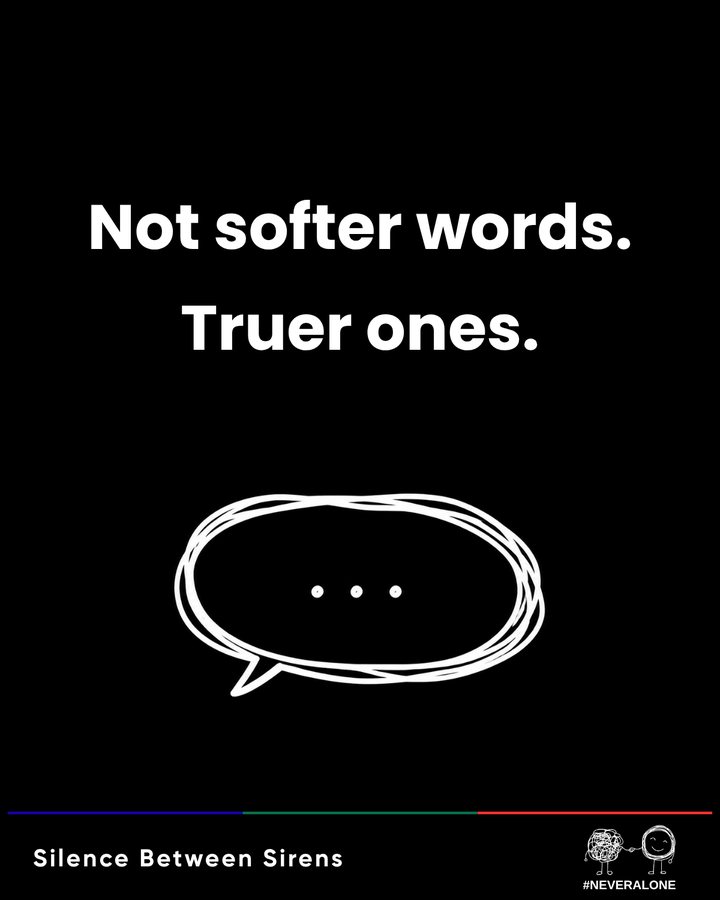
The words we use around suicide decide whether people speak, or stay quiet.
Start with a small one. “Committed suicide” carries the language of crime - committed a burglary, committed an offence. It frames a death as a wrongdoing. Decades of that framing taught people this was something shameful, to be hidden. “Died by suicide” says what happened without the verdict.
There are others. “Failed attempt” and “successful attempt” borrow the language of achievement for something that has nothing to do with it. “Cry for help” quietly dismisses. None of this is about being delicate. It is about whether someone believes they can say “I’ve been having these thoughts” without being judged for it.
How we talk in public shapes what people feel able to say in private. If the surrounding language is careful, honest and free of blame, more people speak while there is still time to help.
This is what changing the narrative means. Not softer words. Truer ones. Language that treats suicide as preventable and human, rather than shameful or inevitable, so the person carrying it does not also carry the sense that they cannot say it out loud.
That is a change any of us can make, starting with the next conversation.
Originally shared on our social channels.